INTERNATIONAL PROJECTS
The V4 Conference on Pragmatic Aspects of Language and Latent Strategic Communication
Programme: International Visegrad Fund - Visegrad Grant
Project number/n. of grant agreement: 22620468
Project coordinator (organization): Ludovit Stur Institute of Linguistics SAS
Project partners: Institute of Philosophy, Czech Academy of Sciences; University of Szeged; Faculty of Social and Economic Sciences, Comenius University Bratislava
FSES UK Institute implementing the project: Institute of European Studies and International Relations
Principal Investigator from FSES UK: Mgr. Pavol Hardoš M.A., PhD.
Implementation period (from- until, day, month, year): 21. 9. 2026 – 30. 11. 2026
Abstract:
The project brings together experts across the V4 countries to facilitate the exchange of ideas/findings on the pragmatic aspects of language (mechanisms and principles) in the latent strategic communication. The main aim of the conference is to examine how this type of communication is reproduced through language in various public domains, particularly focusing on state strategic communication.
Pavol Hardoš delivered a keynote presentation at the international interdisciplinary conference Language and Communication Aspects of Disinformation, organised by the Ľudovít Štúr Institute of Linguistics of the Slovak Academy of Sciences.
The presentation, entitled “The Grammar of Betrayal: Illiberal Conspiracy Tropes in Slovak Political Rhetoric,” explored the use of conspiracy narratives in political communication.
In times of uncertainty, conspiracy theories can serve as a mythological model that organises events and facts around alleged conspiracies driven by evil forces. Political actors can weaponise them as narrative tools through which they divide society into “us” and “them” and persuade people that the nation is under threat from enemies both outside and within.
The lecture demonstrated how such political communication can revive older nationalist motifs and direct them against new enemies: liberalism, civil society, “gender ideology,” or LGBTQ+ rights. Contemporary illiberal conspiracy discourse thus builds on long-standing Slovak ideological traditions of “victimhood nationalism” and anti-Western resentment, while simultaneously reinforcing them. Within such discourses, the Slovak nation repeatedly finds itself confronted by supposedly hidden, foreign, and malevolent forces acting against it.
Finally, the lecture examined how such political myths can function as instruments of autocratisation, not only by undermining institutional authorities but also by strategically framing civil society and legitimate democratic forces as agents of internal betrayal.
More information about the conference here:
https://www.juls.savba.sk/disinfo.html
Or here:
https://www.facebook.com/JazykovednyUstavLudovitaStura/posts/pfbid02i91DNFhjkWscAX4kMybR4ou25HoZsmX3VtRHjfSAaEkkjLYYexMAgss98EvrCQpdl

Enlight Sustainability Hackathon + GreHackathon
Acronym: GreHackathon+
Programme: ENLIGHT+
Project coordinator (organization): FSES CU
Project partners: University of Bern, University of Bordeaux, University of Galway, University of Göttingen
FSES UK Institute implementing the project: Institute of European Studies and International Relations
Principal Investigator from FSES UK: Vivien Ďuricová
Implementation period (from- until, day, month, year): 3.7.2026 - 3.7.2027
Funding for FSES UK: 3500 euros
Abstract:
The ENLIGHT Sustainability Hackathon (GreHackathon) is an international, student-led initiative bringing together students from five European universities to collaboratively address current sustainability challenges. The event will be hosted by Comenius University in Bratislava, in partnership with University of Bordeaux, University of Bern, University of Gottingen and University of Galway.
The initiative is designed as a four day, in person event where selected students from each partner university come together to work in international and interdisciplinary teams. During a 24-hour hackathon students will develop practical solutions for sustainability challenges affecting universities and their surrounding communities. Throughout the entire process, academic experts and mentors will be available to the student teams to consult their ideas.
GreHackathon is designed to be a learning experience that will encourage students to think across disciplines and collaborate in international teams. Beyond that GreHackathon aims to encourage young people to act and turn their ideas into action.


Making Sense of EU Enlargement for, with and by Citizens
Acronym: CitiSense
Programme: Horizon Europe: HORIZON-CL2-2025-01-DEMOCRACY-03: Preparing the EU for future enlargement: challenges and opportunities
Project number/n. of grant agreement: 101286806
Project coordinator (organization): European University Institute, Robert Schuman Centre of Advanced Studies
Project partners: Maastricht University (UM), International Centre for Defence and Security (ICDS), Institute for International Affairs (IAI), Democracy Institute, Central European University (CEU), University of Duisburg-Essen (UDE), Institute for European Politics (IEP), European Partnership for Democracy (EPD), Stockholm University (SU), Trans-European Policy Studies Association (TEPSA), Comenius University Bratislava (CUB), University of Social Sciences and Humanities Warsaw (USWPS), Ilia State University (ISU), National University ‘Kyiv-Mohyla Academy’ (UKMA), WatchDog.MD (WMD), Institute for democracy Societas Civilis Skopje (IDSCS)
FSES UK Institute implementing the project: Institute of European Studies and International Relations
Principal Investigator from FSES UK: prof. JUDr. PhDr. Lucia Mokrá, PhD.
Other investigators from FSES UK: Mgr. Matej Navrátil, PhD., Mgr. Jakub Szabó PhD. , doc. JUDr. Hana Kováčiková, PhD.
Implementation period (from- until, day, month, year): 1.10.2026 - 30.9.2029
Funding for FSES UK: 107 621,25 €
Abstract:
How can the EU pursue a more effective and resilient enlargement policy by fostering understanding of its security, economic, and societal impacts among citizens? Project “CitiSense – Making Sense of EU Enlargement for, with and by Citizens” – addresses emerging questions on effective and resilient enlargement of the European Union, to focus on understanding the security, economic and societal impacts of the enlargement among citizens, both in the EU and candidate countries. By applying an innovative threefold approach: "for citizens" it foresees producing clear evidence on the costs and benefits of enlargement and non-enlargement; "with citizens" it systematically analyses public attitudes, perceptions, and concerns; and "by citizens" provides direct opportunities to participate in debates and co-design solutions. The project employs a multimethod research design. CitiSense will generate a wide range of outputs: multidimensional toolboxes for policymakers, administrators, educators, and civil society, integrating public opinion data, cost-benefit analyses, and foresight scenarios with manuals for participatory mechanisms such as Hackathons, Citizen Assemblies, and Youth Labs. It will also deliver a digital guidebook of “30 FAQs on Enlargement”, a Europe-wide collection of student-authored country reports, educational resources for schools, and multimedia formats (podcasts, Instagram reels, and interactive art exhibition). Together, these outputs will provide accessible, user-friendly, and transferable resources that promote transparent communication and inclusive policymaking, and inform public debate on EU enlargement.

Remembrance of Red Regimes: Memory and Civic Education across Eastern Europe
Acronym: REMEM-RED
Programme: CERV
Project number/n. of grant agreement: 101296671
Project coordinator: Tallinna Tehnikaülikool
Project partners: Uniwersytet w Bialymstoku (PL), Eesti Poliitiliste Liit MTU (EE), Ciudadanos letones (LV), Univerzita Komenského v Bratislave (SK), Univerzita Palackého v Olomouci (CZ), Panevezio Miesto Savivaldybės Administracija (LT), Directia de Asistenta Sociala si Medicala (RO), Asociacion Building Bridges (ES), Kulturerben e.V. (DE), Hrvatska Edukacijska i Razvojna Mreza za Evoluc (HR), Romea, o.p.s. (CZ)
FSES UK Institute implementing the project: Institute of European Studies and International Relations
Principal Investigator from FSES UK: prof. JUDr. PhDr. Lucia Mokrá, PhD.
Implementation period: 1.7.2026 - 30.9.2028
Funding for FSES UK: 15 000 eur
Abstract:
Across Central and Eastern Europe, millions of people suffered persecution, deportation, imprisonment, and systemic violations of fundamental rights under communist totalitarian regimes. While these crimes against humanity left deep scars on societies, their remembrance remains fragmented, contested, or under-represented in the broader European public sphere. In times of rising disinformation, democratic backsliding, and trivialization of historical facts, it is urgent to revisit these histories and reinforce a shared European memory culture that values truth, justice, and democratic resilience. REMEM-RED seeks to strengthen remembrance of communist repression by documenting victim experiences, fostering inclusive narratives, and creating civic spaces for intergenerational dialogue. The project will address not only well-known political persecutions but also the stories of Roma, religious communities, LGBTIQ persons, intellectuals, and other marginalized groups whose suffering has often been silenced or overlooked.
Through a consortium of institutes of memory, universities, civil society organizations, and youth groups from the Baltics, Poland, Hungary, Czechia/Slovakia, Romania, and Bulgaria, REMEM-RED will:
• Collect and digitalize testimonies and archives, preserving memories before they are lost;
• Develop educational materials and interactive exhibitions to engage schools and young people in critical reflection about the fragility of democracy;
• Organize citizen dialogues, public debates, and memory walks across participating countries, making remembrance a living, participatory process;
• Build a transnational digital platform to connect local histories into a European narrative, combating denial and distortion.
• By bridging local memories with European civic education, REMEM-RED will transform remembrance of past repression into a tool for democratic engagement today.

Building European Small State Resillience (BEsseR)
Acronym: BEsseR
Programme: ENLIGHT+
Project coordinator: Comenius University – Faculty of Social and Economic Sciences
Project partners: University of Galway, Tartu University
FSES UK Institute implementing the project: Institute of European Studies and International Relations
Principal Investigator from FSES UK: Mgr. Andrea Figulová, PhD.
Other investigators from FSES UK: Mgr. Jakub Csabay, PhD., Mgr. Rudolf Škovira
Implementation period: 02.03.2026 - 02.03.2027
Funding for FSES UK: 3500 eur
Abstract: This initiative, hosted at the University of Galway, brings together an interdisciplinary cohort of scholars and practitioners to examine the foundations of small state resilience. By focusing on the interconnected pillars of security, energy, and memory, the project seeks to bridge the gap between theoretical research and practical application specifically at the workshop taken place in April 2026 in Galway. Beyond that then, a high-impact academic publication, the initiative "Stakeholder Dialogues" a bidirectional knowledge transfer between academia, government, and civil society is planned. Our goal is to translate complex scholarly expertise into actionable public policy while enriching research with real-world insights, ultimately establishing a sustainable network for future research and funding collaboration.


Russia’s War Against Ukraine and New Spaces of Security and Insecurity in Europe (EURSEC)
Acronym: EURSEC
Programme: ENLIGHT Incubator Grants
Project coordinator: University of Tartu
Project partners: Université of Bordeaux, Comenius University, Ghent University
FSES UK Institute implementing the project: Institute of European Studies and International Relations
Principal Investigator from FSES UK: doc. PhDr. Oľga Gyárfášová, PhD.
Implementation period: November 2024 – 31.10.2026
Funding for FSES UK: 3 470 eur
Abstract: The Russia’s War Against Ukraine and New Spaces of Security and Insecurity is Europe Summer School which offers an interdisciplinary approach to understanding one of Europe’s most pressing contemporary challenges: the insecurities triggered by Russia’s aggression against Ukraine. Each partner selects five students to attend the summer school.
The Summer School provides an in-depth exploration of the profound shifts in security, geopolitics, and identity triggered by Russia’s invasion of Ukraine. Bringing together students, scholars, and experts, it gives a platform to critically examine the ways in which this war has reshaped mental maps, national identities, and broader geopolitical frameworks.
Participants are engaged with a range of key topics, and broad variety of activities, including trips beyond the basic classes – like for example excursion to Brussels and visit to European Parliament and House of European history in 2025.


Participatory Constitutionalism in the European Union (PARTICON-EU)

Acronym: PARTICON - EU
Programme: CERV-2025-CITIZENS-CIV (CERV-LS)
Project number/n. of grant agreement: 101253356
Project coordinator (organization): UNIWERSYTET JAGIELLONSKI (Poland)
Project partners:
- UNIVERSITA DEGLI STUDI DI MILANO (Italy) - Partner
- UNIVERZITA KOMENSKEHO V BRATISLAVE (Slovakia) - Partner
- CENTRE NATIONAL DE LA RECHERCHE SCIENTIFIQUE CNRS (France) - Partner
- UNIVERZITA PALACKEHO V OLOMOUCI (Czechia) - Partner
- EOTVOS LORAND TUDOMANYEGYETEM (Hungary) - Partner
- HELSINSKA FUNDACJA PRAW CZLOWIEKA (Poland) - Partner
- INSTYTUT PRAWA I SPOLECZENSTWA FUNDACJA (Poland) - Partner
- Democracy in Practice Association (Poland) - Partner
- GMINA MIEJSKA KRAKOW - MIASTO NA PRAWACH POWIA (Poland) - Associated
- FUNDACJA POLE DIALOGU (Poland) - Associated
- RESDI Roma Environmental Sustainability and Development (Slovakia) - Associated
FSES UK Institute implementing the project: Institute of European Studies and International Relations
Principal Investigator from FSES UK: prof. JUDr. PhDr. Lucia Mokrá, PhD.
Other investigators from FSES UK: Jakub Szabó a Viktor Teru
Implementation period: 01.02.2026 - 31.01.2028
Funding for FSES UK: 15 855 eur
Abstract: The PARTICON-EU project aims to involve citizens, civil society organizations, researchers, and policymakers in the co-creation of an innovative research tool — the Index of the Social Embeddedness of Constitutions (SEC Index). Citizens will not only contribute to its development but also participate in testing, evaluating, and being trained in its use. The SEC Index will enable the monitoring of the extent to which citizens identify with constitutional principles, norms, and values, and are inclined to engage in the making and shaping of the constitutional frameworks. It will be a useful tool to measure the condition of democracy in EU Member States and citizens' consciousness of the norms, principles, and values underpinning the constitutional framework of the EU. In response to growing concerns about democratic backsliding, declining constitutional resilience, and diminishing public trust in constitutional institutions, PARTICON-EU will strengthen participatory practices and enhance citizens' engagement at the local, national, and EU levels. The project will be implemented by a consortium of six universities, five NGOs, and the Municipality of Kraków City. Its research tasks entail the conduct of in-depth interviews with leaders of marginalised groups, two rounds of citizen surveys in six EU Member States, and a series of SWOT analysis workshops in eight EU Member States. It will offer training sessions for lawyers and NGO members, deliberative workshops for citizens, a round table for policymakers, and conferences and seminars open to the public. PARTICON-EU will also set up an Experimental Lab for university students, hold a moot court competition and a micro-learning course competition for secondary school students, and develop several disseminating activities directly targeting local, national, and EU-level policymakers. Finally, the project will result in the development of a theoretical framework of participatory constitutionalism (Constitutionalism 3.0).
Seminar:
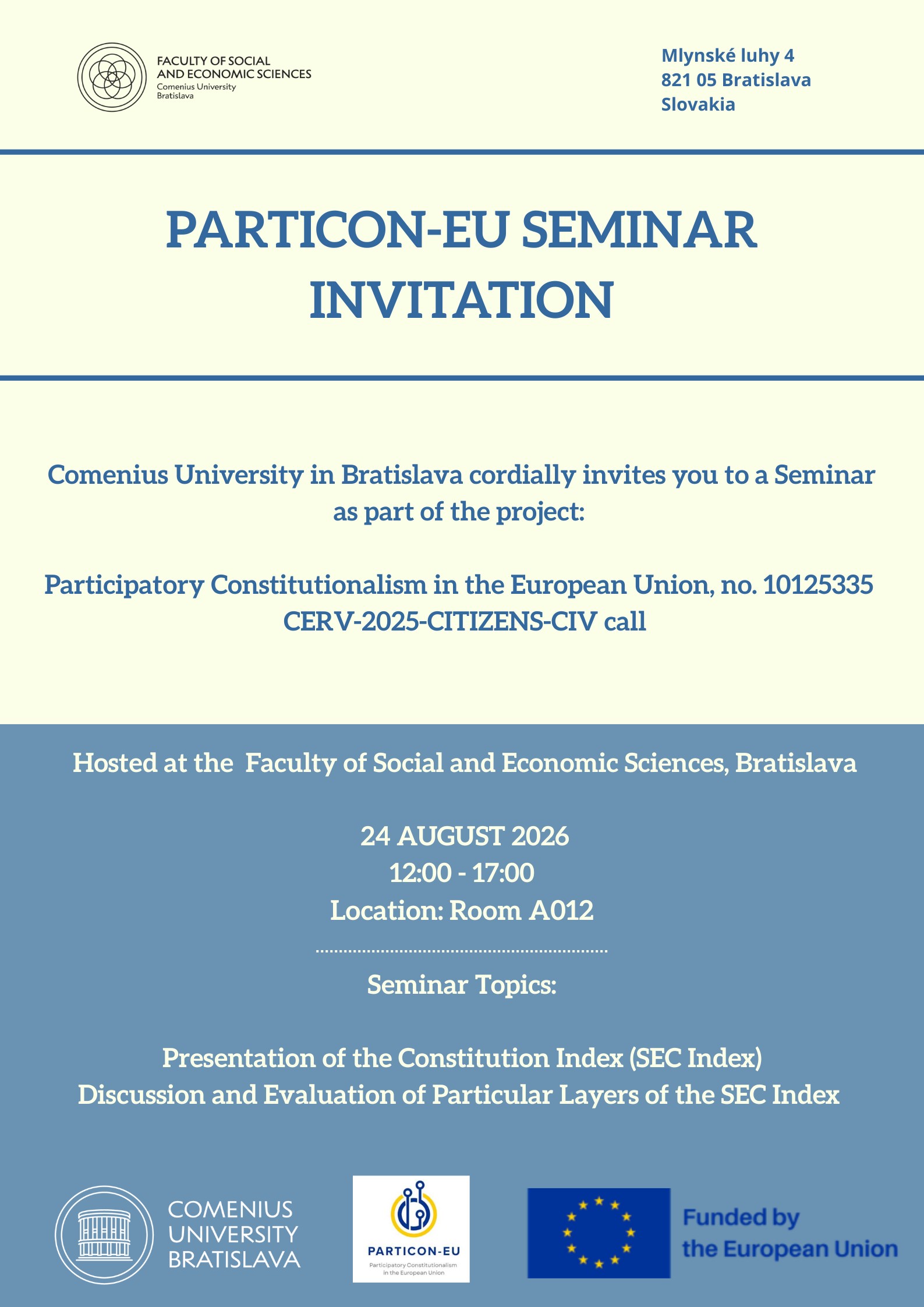
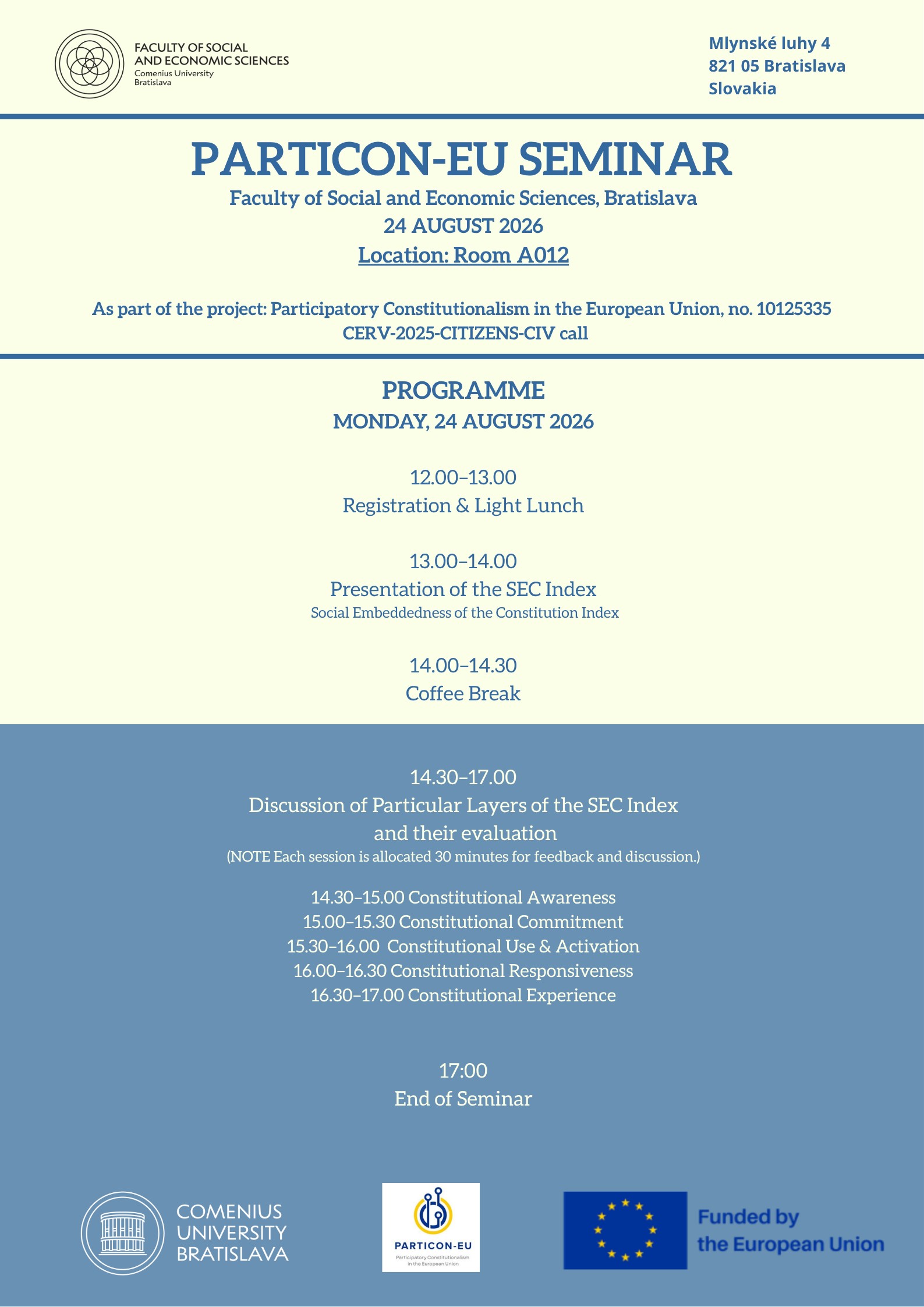
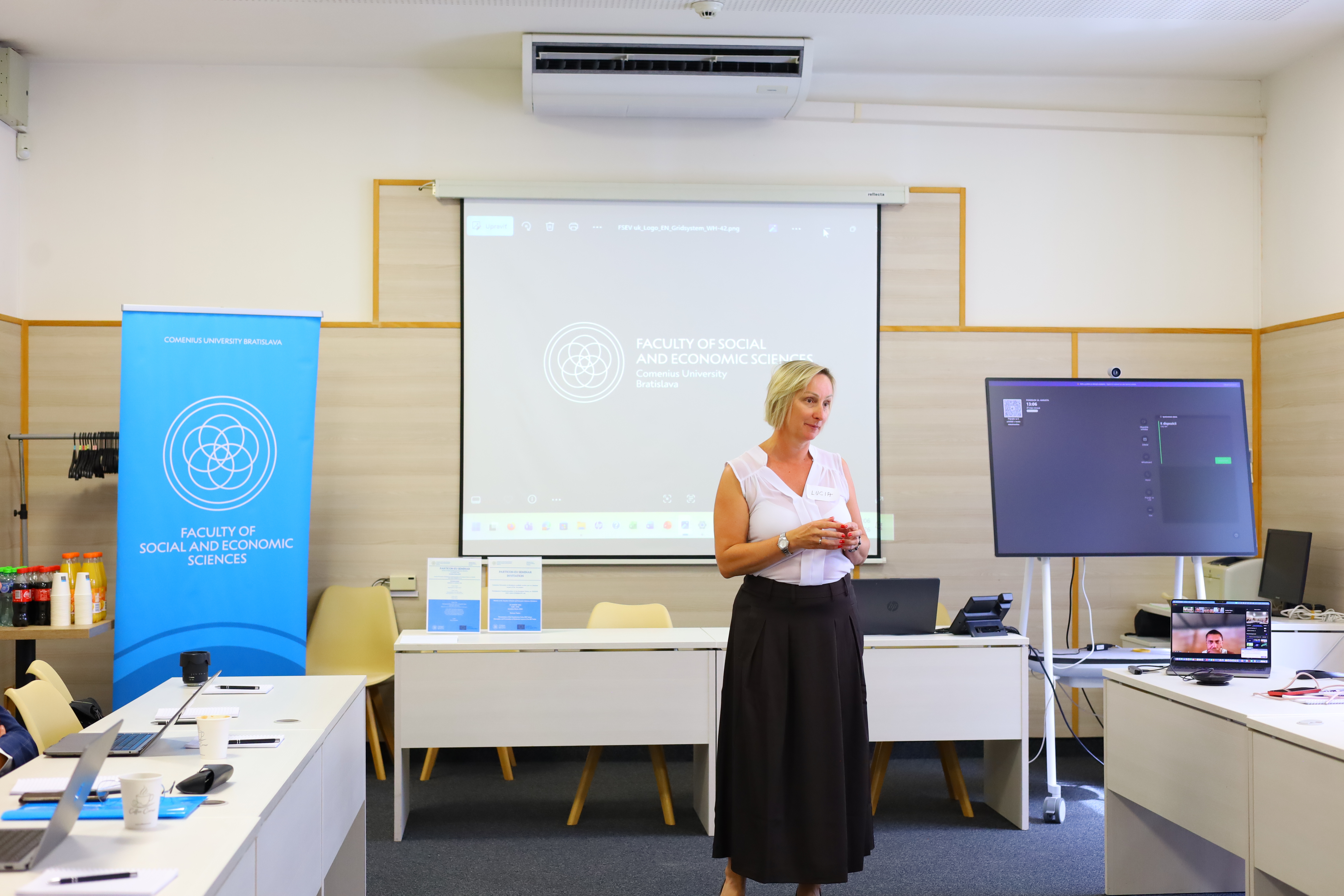
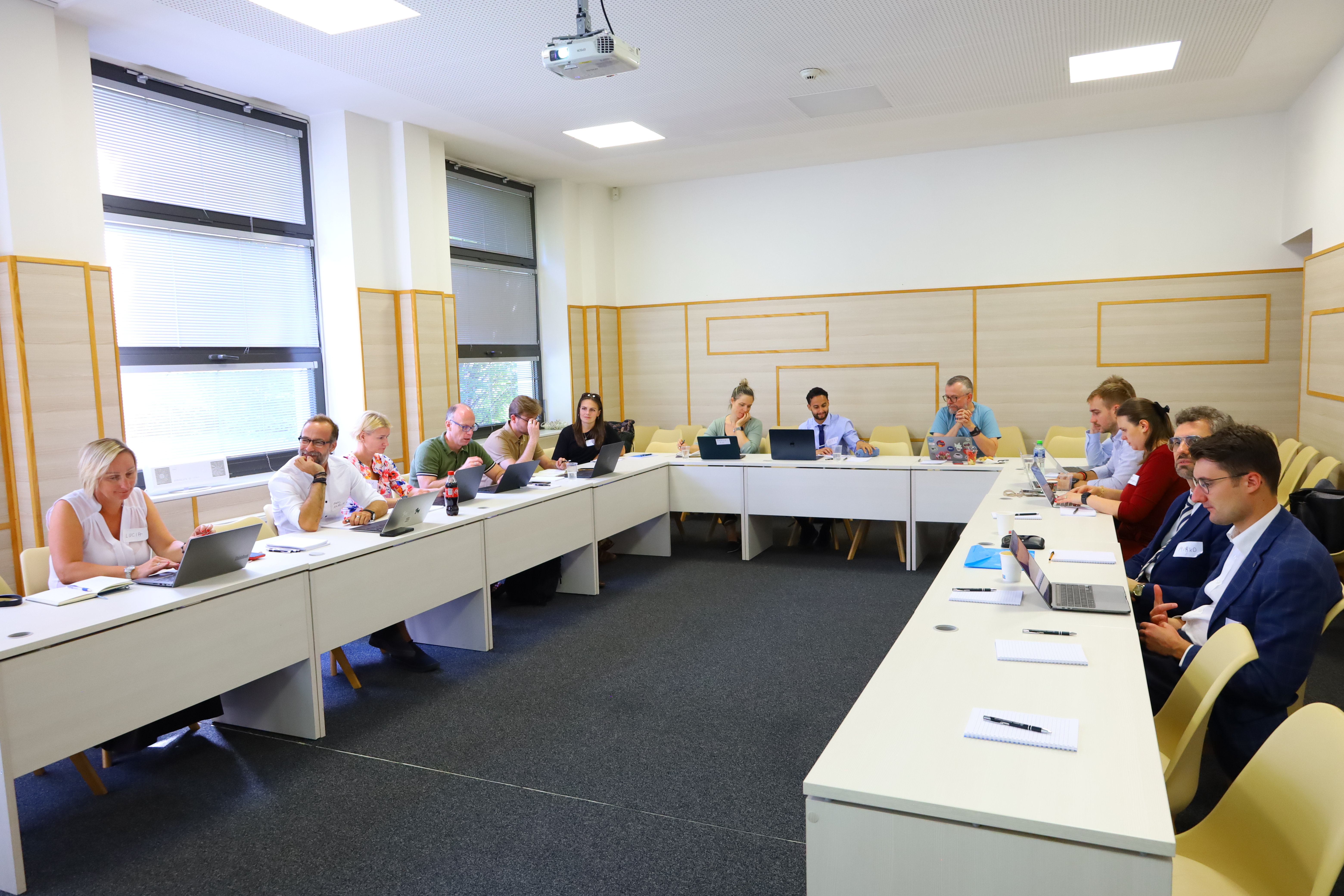
On 24 August 2026, the Faculty of Social and Economic Sciences Comenius University Bratislava hosted a seminar as part of the international project PARTICON-EU - Participatory Constitutionalism in the European Union, no. 10125335 (CERV-2025-CITIZENS-CIV)
The seminar focused on the presenation and discussion of the SEC Index (Social Embeddedness of the Constitution Index) and its individual layers, exploring how citizens relate to constitutional principles, norms and values and how they participate in shaping the constitutional framework. The programme brought together participants for an afternoon of fruitful discussion and evaluation of the SEC Index, covering relevant topics such as constitutional awareness, constitutional commitment, constitutional use and activation, constitutional responsiveness and constitutional experience.
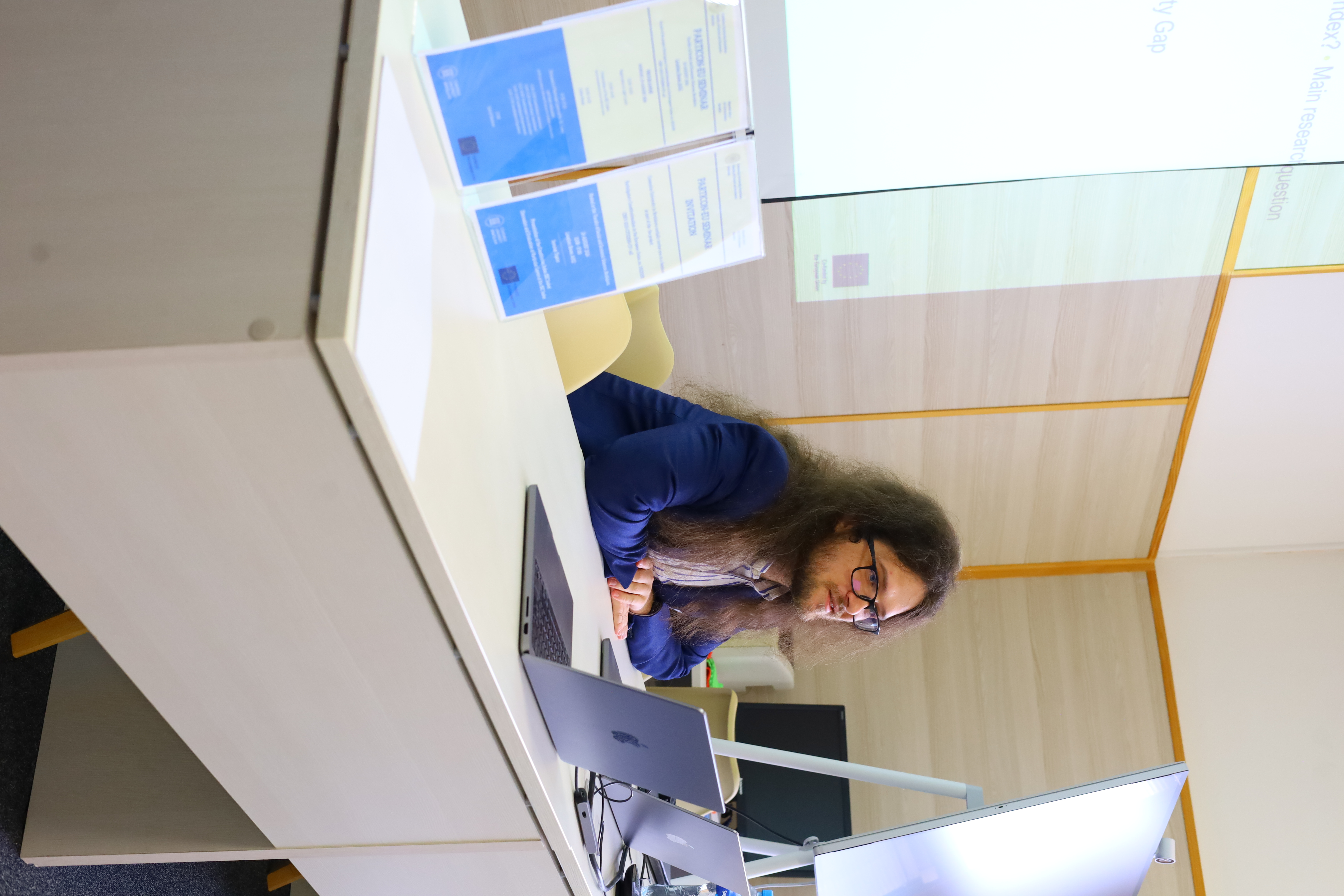
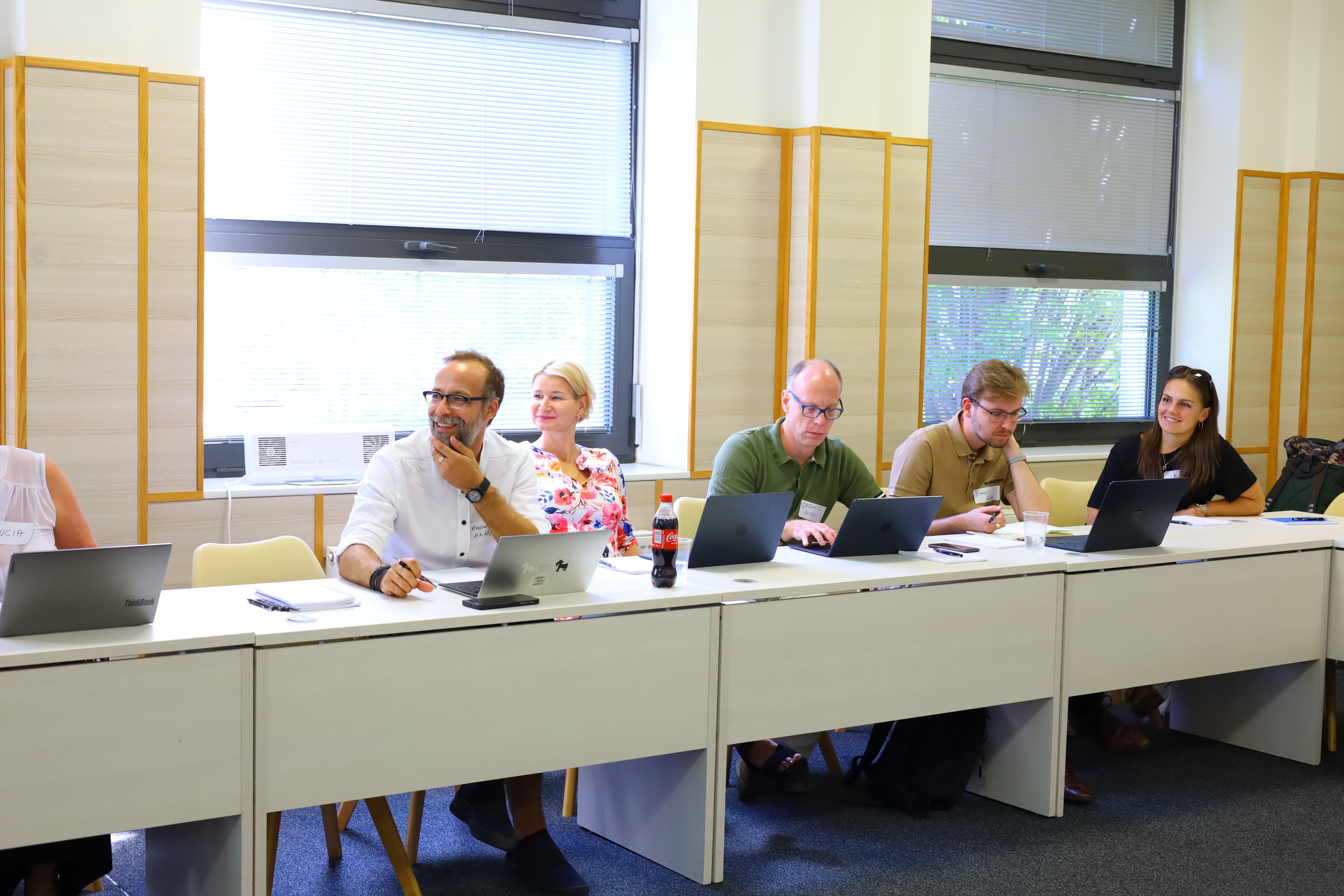
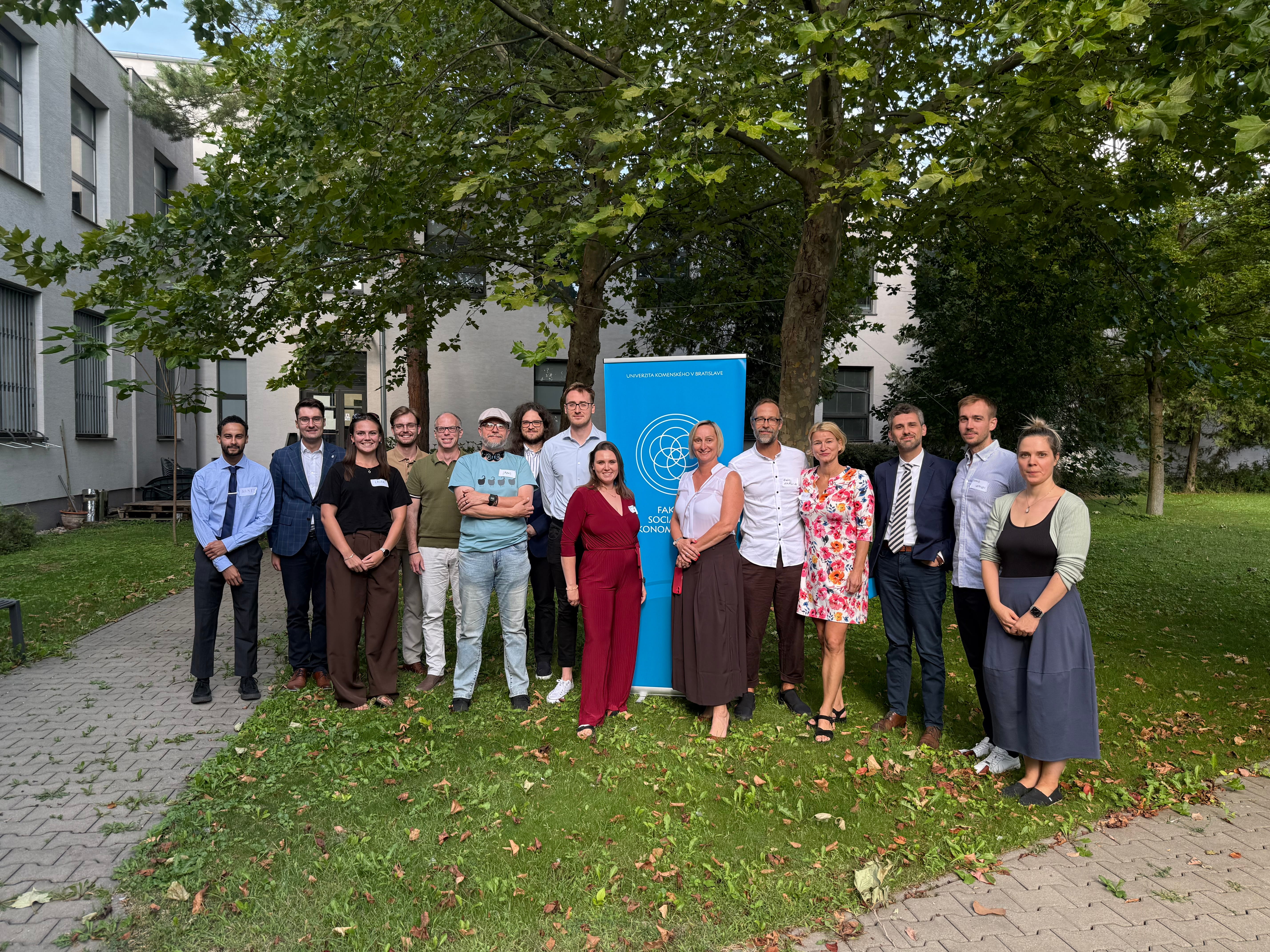
Photos from the seminar:
The Revival of Sovereignty in Central and Eastern Europe and in the EU
Acronym: SOVEREIGN
Programme: International Visegrad Fund
Project coordinator (organization): >Law Department at the University of Lodz
Project partners:
- Association for International Affairs (Prague)
- European University Institute, Robert Schuman Centre for Advanced Studies
- Comenius University in Bratislava
- University of Szeged
- Taras Shevchenko University
FSES UK Institute implementing the project: Institute of European Studies and International Relations
Principal Investigator from FSES UK: prof. JUDr. PhDr. Lucia Mokrá, PhD.
Other researchers from FSEV UK: Mgr. Matej Navrátil, PhD., Ing. Jakub Szabó, PhD.
Implementation period: 01.10.2025–01.03.2027
Abstract:
The project examines evolving interpretations of sovereignty – national, state, and European – and their implications for the EU’s legitimacy and functionality. It asks whether these new concepts can harmonise state and EU sovereignty, enhance external policy effectiveness, and foster systemic innovation. It also explores how the experiences of Visegrad Group states and regional integration inform the context of European integration and whether the regional cooperation is perceived as strengthening the sovereignty of the Visegrad states.
Project Output: Link
Joint Masters in Global Media, Democracy and Digital Power (application to Erasmus Mundus Masters)
Acronym: DEMPOWER
Programme: ENLIGHT (ENLIGHT Incubator Grant 2025 – Strand A – Joint Study Programmes)
Project coordinator: University of Galway
Project partners: FSES UK, UPV/EHU University of the Basque Country
FSES UK Institute implementing the project: Institute of European Studies and International Relations, Institute of Mediamatics
Principal Investigator from FSES UK: Maksym Khylko, PhD.
Other investigators from FSES UK: Prof. Mykola Polovyi, PhD., M.A. Matthew Porges, PhD.
Implementation period: 01.11.2025 – 31.10.2027
Funding for FSES UK: 15 000 eur
Abstract: The proposed Joint Masters addresses the urgent and growing need to understand the complex interplay between digital communication technologies and democratic governance. The programme’s overarching goal is to prepare a new generation of critical thinkers, analysts, and practitioners who are equipped to lead, regulate, and advocate in increasingly digitised and contested public spheres. Specifically, the programme will: Critically interrogate how digital platforms and algorithmic systems shape political communication, institutional trust, public perceptions and civic life; Explore global and comparative approaches to digital governance, information manipulation and weaponisation activities including disinformation, platform regulation, and media ethics; Provide students with applied, interdisciplinary training across media studies, political science, technology policy, EU and global legal framework and democratic theory; Foster cross-cultural and transnational perspectives through a joint curriculum, shared teaching, and structured mobility across ENLIGHT institutions; Embed global perspectives by including affiliated institutions in Latin America, Africa, and Asia to ensure diverse and decolonial approaches to democratic media systems. Students will graduate with a robust understanding of how digital technologies impact democracy both within Europe and globally, and with the competencies required to work in policy-making, journalism, civil society, advocacy, regulation, and academia.